
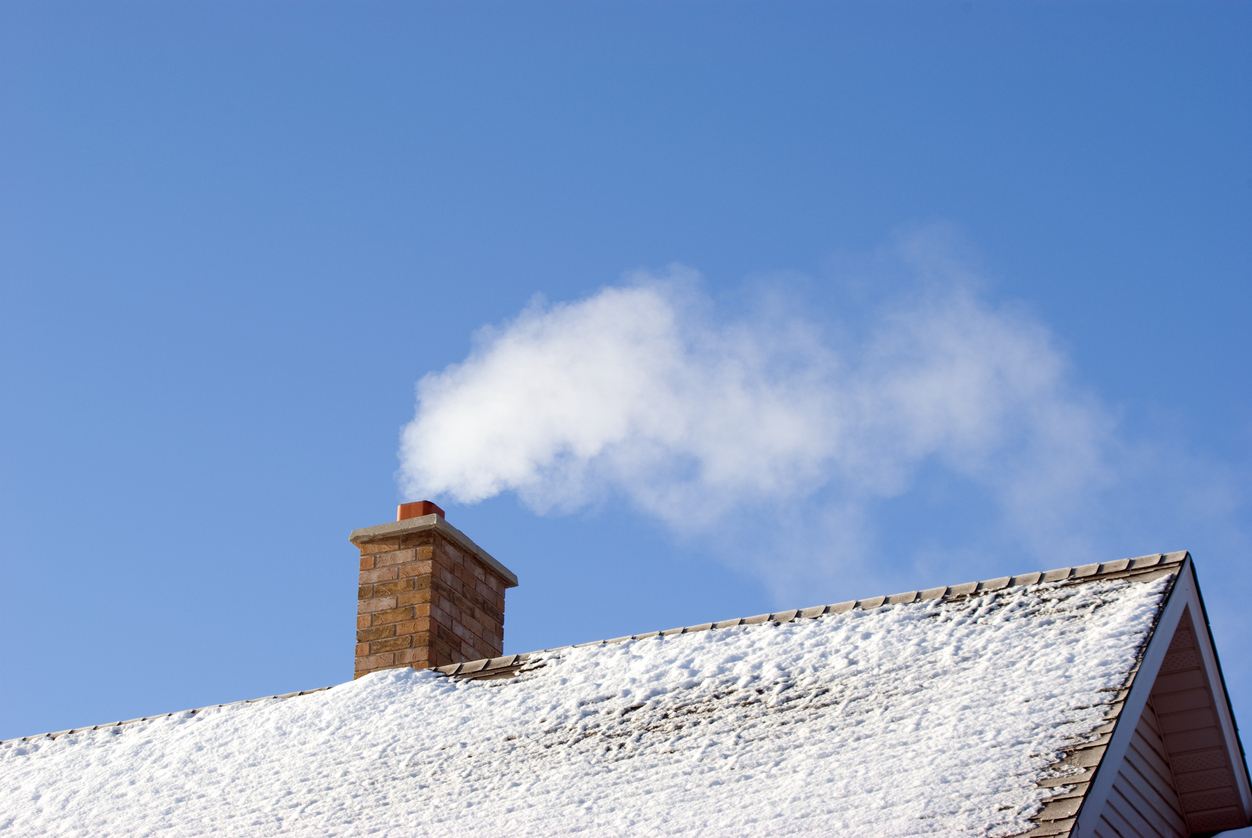
El Niño 2026–2027: 5 Winter Roof Risks Utah Homeowners Should Prepare For
The winter of 2026 through 2027 will officially be influenced by El Niño, an atypical weather pattern that occurs every few years over the Pacific Ocean. Even in Utah, a few hundred miles from the Pacific Coast, El Niño has an effect.
While El Niño isn’t a scary event, Utahns should be prepared for potentially strong winter weather. Much-needed snowpack in the mountains can be a potentially hazardous snowpack on your roof. Before an El Niño winter arrives, here’s how you can prepare your home to ensure you stay safe and warm inside, no matter what El Niño brings.
What Is El Niño?
El Niño is a phenomenon that occurs when the water in some areas of the Pacific Ocean is more than 0.5 degrees Celsius above its average temperature for several months. That doesn’t sound like much of a change, but for a giant body of water like an ocean, it’s significant enough to have an effect.
Notably, the warmer ocean water associated with El Niño affects the atmosphere over the Pacific. Jet streams shift places, and with them, weather patterns. In the United States, El Niño can bring a somewhat warmer winter to the northern states and a cooler, wetter winter to the southern states.
Why Does El Niño Affect My Roof in Utah?
If you look at a map of average El Niño effects, Utah’s Wasatch Front sometimes looks like it lies in the space between the states that get warmer weather and the states that get cooler weather. This could lead you to think that El Niño isn’t really felt in Utah’s major population hubs like Salt Lake and Utah counties.
But not so fast. Don’t forget that weather “patterns” are still unpredictable. And the strength or intensity of the El Niño is another key factor. Meteorologists have predicted the 2026-2027 El Niño will be “very strong,” and historically, similar El Niños have brought additional winter precipitation to Utah.
The bottom line is that a strong El Niño could mean more snow in Utah. More snow could mean more stress on your roof just when you need it most to keep out the cold.
5 Winter Roof Risks to Prepare for During an El Niño Season
Before the El Niño winter arrives, it’s smart to have a roofer inspect your roof and assess whether it is likely to develop any of these problems. Early detection is the easiest way to take care of roof repairs, and seasonal maintenance is important for keeping your roof in optimum condition.
1. Clogged gutters
Clogged gutters may sound like just a minor nuisance, but having leaves and other debris in your gutters can prevent winter precipitation from draining away. Heavy icicles can then develop, weighing down your gutters and potentially weakening their attachment to the house.
2. Ice dams
Hot air rises. For your house in the winter, that means all the hot air keeping you warm inside eventually makes its way to the highest point, like the attic. Your insulation helps your home retain that heat, but some of it will escape. Any heat that does find a way out can warm up the roof enough to melt some of the snow above it, sending water droplets down your roof. Eventually they reach a cooler spot, like an eave that is not over a warm interior room, and the water can refreeze as ice. If this happens enough, the ice itself becomes a barrier, or ice dam.
As the process repeats all winter, the ice dam stops water from draining off your roof properly. Some of that backed-up water inevitably gets under your shingles or other roof components, freezes and expands as ice, and ultimately damages your roof. It’s the same thing that happens when potholes form. A little water freezing and thawing over and over can cause some big damage.
3. Weak or damaged roof structures
If you’ve lived in the Mountain West long enough, you learn the difference between a “dry” light snow and a heavy wet snow. Your roof prefers a lighter snow, because heavier snowpack can place a strain on any weak areas of the roof structure. They can only handle so much weight before failing, so they may need to be replaced.
4. Cracks that are vulnerable to freeze-thaw damage
Even if ice dams don’t form on your roof, snowpack on your roof can melt, drip into existing cracks, and get trapped. Now think about what happens to that water during those unseasonably warm days that can hit in late February, only to be followed by a snowstorm a week later. Any water that hasn’t drained away properly from your roof will do what water does—freeze in the cold, melt in the warm, slowly expanding and enlarging any cracks it’s found its way into.
5. Weak flashing around the chimney, vents, or skylights
Some of the most vulnerable areas of your roof are where the shingles meet another component, like the chimney or a ventilation pipe. A roofer installs flashing around these joint areas to prevent water from literally slipping into the cracks. Flashing doesn’t last forever, though, and is susceptible to deterioration from weather and natural aging.
Weak flashing can become the source of a roof leak. Worse, you may not know about it right away if it’s leaking into a seldom-visited room like the attic. A roof inspection can include a look at your roof’s structures from above and below, so the roofer should spot signs of potential leaks.
Prepare for El Niño with a Roof Inspection
If it’s been a few years since your last roof inspection, let El Niño be your motivation to make the call and book one. American Roofing serves homeowners and commercial businesses all along the Wasatch Front with roof maintenance and repair services. Ask one of our roofers to give your roof the seal of approval before a long and cold winter sets in.
About the Author: American Roofing Company
